8 Best Free Google SEO Tools: What They Do & How to Use Them
DIGIDZN25 Oct 20236 min read
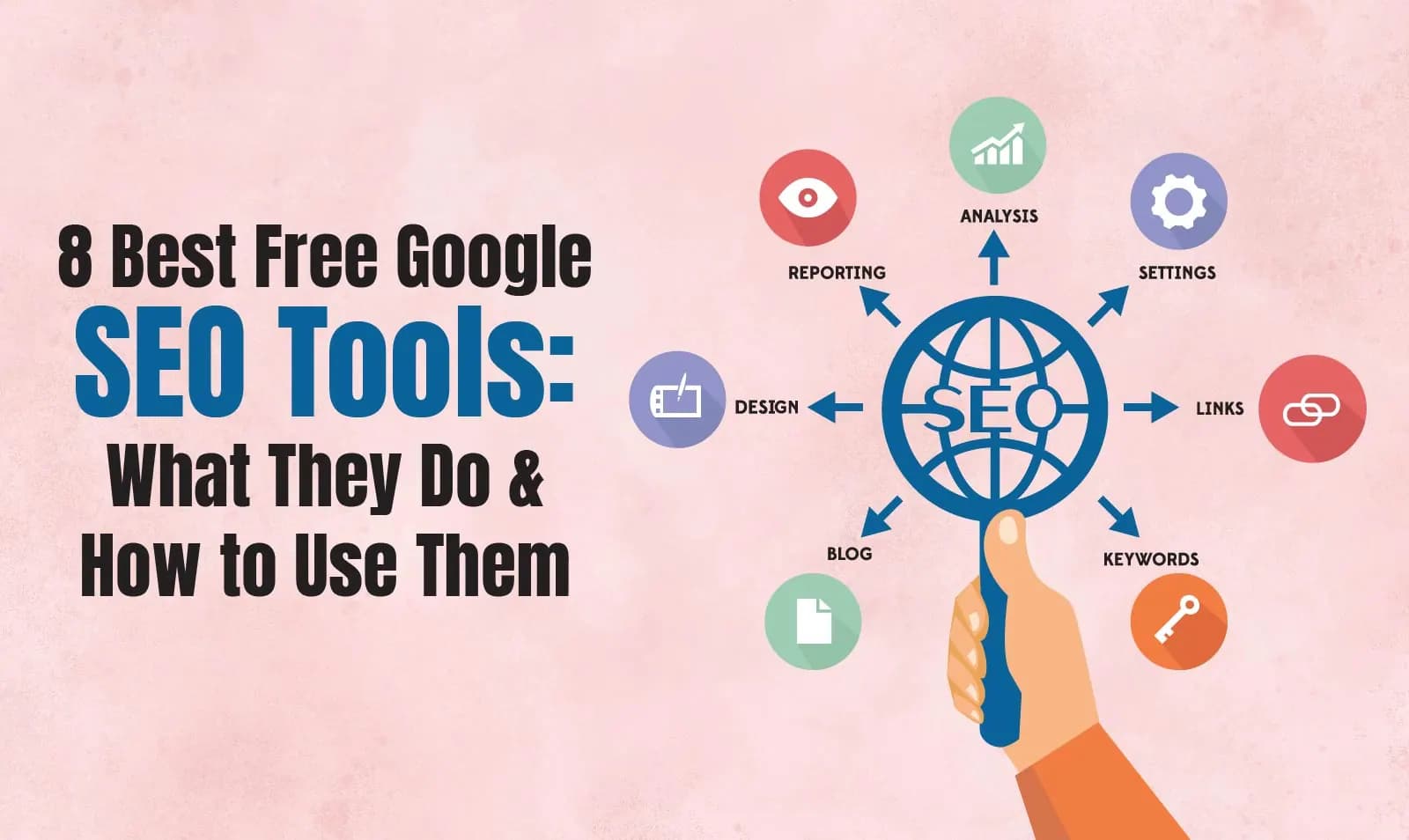
Search Engine Optimization (SEO) is the backbone of online growth for companies and website owners. It's the exercise of optimizing your website to rank higher in Google's search results, that may pressure extra organic visitors to your site. To attain this, you want the right gear to help you analyze, track, and improve your search engine optimization efforts. Fortunately, Google offers a suite of powerful, unfastened SEO equipment that could make your activity simpler. In this weblog, we'll explore the 8 exceptional free Google search engine optimization tools, what they do, and the way to use them to enhance your website's visibility and performance.
1. Google Analytics: Understanding Your Audience
Google Analytics is one of the most precious SEO tools at your disposal. It provides comprehensive insights into your website's overall performance, user conduct, and traffic sources. To get started with Google Analytics, observe the steps:
- Sign in to your Google Analytics account or create one.
- Add your website by clicking on the Admin tab and selecting the "Create Property" option.
- Choose the relevant settings, such as your time zone and currency.
- Install the tracking code on your website to start collecting data.
With Google Analytics, you could tune key metrics like website traffic, consumer demographics, and the effectiveness of your search engine marketing efforts. This data facilitates you're making informed decisions and high-quality-tune your techniques to cater to your audience's possibilities.
2. Google Search Console: Monitoring Your Website's Performance
Google Search Console is another essential tool for SEO. It allows you to monitor how Google views and indexes your website. Here's how you can use Google Search Console effectively:
- Sign in to your Google Search Console account or add your website if you haven't already.
- Verify ownership of your site using one of the available methods (HTML file upload, HTML tag, domain name provider, etc.).
- Once verified, you can access critical information about your site, such as indexing status, search queries, and crawl errors.
Google Search Console helps you identify and fix issues that might negatively impact your site's visibility in search results. You can also submit a sitemap to ensure Google crawls and indexes your content efficiently.
3. Google Keyword Planner: Researching Keywords
Keywords are the foundation of search engine optimization. Google Keyword Planner is a free tool that allows you to discover applicable keywords to your content and advert campaigns. To use it effectively:
- Sign in to your Google Ads account or create one.
- Access the Keyword Planner from the Tools & Settings menu.
- Enter keywords related to your business or niche to get suggestions and data about search volume, competition, and bid estimates.
Using the Google Keyword Planner, you can pick out high-potential keywords that align together with your content and advertising and marketing strategies. These keywords are essential for optimizing your content and improving your website's search engine ranking.
4. Google Trends: Stay Updated with Search Trends
To keep your search engine optimization strategies modern and aligned with modern-day tendencies, Google Trends is a handy device. It provides insights into the recognition of search terms and subjects through the years. To get the most out of Google Trends:
- Visit the Google Trends website.
- Enter a keyword or topic you want to explore.
- View the trend data, related queries, and geographic interest.
You may use Google Trends to find out which search topics are becoming more popular, as well as seasonal and geographic changes. These details can direct your efforts at search engine optimization and content production to take advantage of the most recent trends.
5. Google PageSpeed Insights: Optimize Website Speed
Website speed is a critical factor in SEO, as it directly impacts user experience and search engine rankings. Google PageSpeed Insights helps you analyze your website's speed and provides suggestions for improvement. Here's how to use it:
- Go to the PageSpeed Insights website.
- Enter your website's URL, and click "Analyze."
- Review the provided suggestions and prioritize changes that can enhance your site's speed.
By following PageSpeed Insights hints, you may optimize your website for quicker loading times, in the end leading to a better user experience and stepped forward search engine optimization performance.
6. Google My Business: Local SEO Optimization
If your business has a physical location, optimizing for local search is crucial. Google My Business is the tool to help with this. Follow these steps to get started:
- Sign in to your Google account or create one.
- Access Google My Business and add your business information, including your name, address, phone number, and website.
- Verify your business to gain control over your Google My Business listing.
Google My Business ensures that your business appears in local search results, and Google Maps, and provides essential information to potential customers, including your hours of operation and customer reviews.
7. Google Mobile-Friendly Test: Mobile Optimization
With the majority of internet users accessing websites via mobile devices, it's vital to ensure your website is mobile-friendly. The Google Mobile-Friendly Test tool helps you determine if your site meets mobile optimization standards. Here's how to use it:
- Go to the Mobile-Friendly Test tool.
- Enter your website's URL and click Test URL.
- Review the results to see if your site is mobile-friendly.
A mobile-friendly website is essential for SEO and user experience. If your site doesn't pass the test, consider making the necessary changes to improve its mobile responsiveness.
8. Google Structured Data Testing Tool: Rich Snippets and Schema Markup
Structured facts and schema markup help engines like Google recognize your content higher and display wealthy snippets in seek effects. The Google Structured Data Testing Tool permits you to validate and optimize your dependent records. Follow the steps:
- Visit the Structured Data Testing Tool website.
- Enter a URL or code snippet containing your structured data.
- Review the results to ensure your structured data is correctly implemented.
Implementing structured data can lead to enhanced search results listings with rich snippets, potentially improving your website's click-through rate and visibility.
In the end, those eight free Google search engine marketing tools may be a powerful property for your quest for better search engine ratings and improved website overall performance. Whether you're a pro SEO expert or just beginning, leveraging those tools is critical for staying competitive in the online world. Remember that search engine marketing is an ongoing process, and frequently the usage of those tools will assist you in adapting to the ever-converting panorama of the digital realm.