Beginner’s Guide to Email Marketing Automation for Small Businesses
DIGIDZN30 Jun 20254 min read
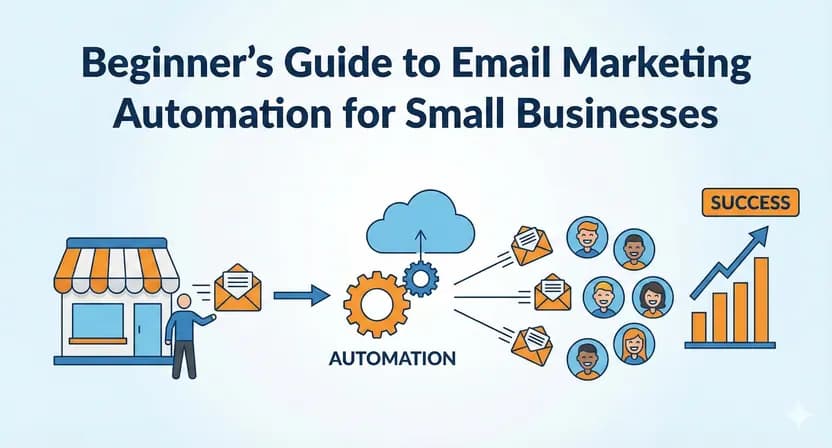
In today's digital landscape, small businesses are constantly seeking efficient ways to connect with their audience, nurture leads, and drive sales. Email marketing automation emerges as a powerful tool, enabling businesses to deliver personalized messages at scale without the need for constant manual intervention.
What is Email Marketing Automation?
Email marketing automation involves using software to send targeted emails to your subscribers based on specific triggers or schedules. These triggers can include actions like signing up for a newsletter, making a purchase, or abandoning a shopping cart. By automating these communications, businesses can maintain consistent engagement with their audience, enhance customer experience, and boost conversions.
Why Should Small Businesses Embrace Email Automation?
1. Time Efficiency: Automation reduces the need for manual email sends, freeing up time for other critical tasks.
2. Personalized Communication: Tailored messages based on user behavior increase relevance and engagement.
3. Improved Customer Retention: Regular, automated touchpoints keep your brand top-of-mind, encouraging repeat business.
4. Scalable Marketing Efforts: As your subscriber list grows, automation ensures consistent communication without additional workload.
Getting Started with Email Marketing Automation
1. Choose the Right Email Marketing Platform
Selecting a platform that aligns with your business needs is crucial. Popular options include:
- Mailchimp: User-friendly with robust automation features.
- Omnisend: Ideal for e-commerce businesses, offering advanced segmentation and automation capabilities.
- HubSpot: Comprehensive CRM integration for seamless marketing and sales alignment.
Evaluate each platform's features, pricing, and ease of use to determine the best fit for your online marketing business.
2. Build and Segment Your Email List
Start by collecting email addresses through sign-up forms on your website, social media channels, or in-store promotions. Once you have a list, segment it based on criteria such as:
- Demographics: Age, location, gender.
- Behavior: Purchase history, website interactions.
- Engagement Level: Active subscribers vs. inactive ones.
Segmentation allows for more targeted and effective email campaigns, a strategy often employed by performance marketing companies.
3. Design Your Automated Email Workflows
Identify key touchpoints in your customer journey where automated emails can enhance engagement:
- Welcome Series: Introduce new subscribers to your brand and offerings.
- Abandoned Cart Reminders: Encourage customers to complete their purchases.
- Post-Purchase Follow-Ups: Request feedback or suggest complementary products.
- Re-Engagement Campaigns: Reconnect with inactive subscribers.
Craft compelling content for each email, ensuring it aligns with your overall digital marketing strategy.
4. Monitor and Optimize Your Campaigns
Regularly analyze key metrics to assess the performance of your automated emails:
- Open Rates: Indicate the effectiveness of your subject lines.
- Click-Through Rates (CTR): Measure engagement with your email content.
- Conversion Rates: Track the percentage of recipients who take the desired action.
Use these insights to refine your campaigns, test different approaches, and improve results over time.
Best Practices for Email Marketing Automation
- Personalize Your Messages: Use the recipient's name and tailor content to their interests.
- Maintain Consistency: Ensure your emails reflect your brand's voice and aesthetic.
- Optimize for Mobile: Design emails that are responsive and easy to read on all devices.
- Comply with Regulations: Adhere to laws like the CAN-SPAM Act by including unsubscribe options and accurate sender information.
Leveraging Local Digital Marketing Services
For small businesses seeking expert guidance, partnering with digital marketing services near me can provide tailored strategies and support. These agencies offer comprehensive digital marketing solutions, including email automation, to help businesses achieve their marketing goals efficiently.
Conclusion
Email marketing automation is a powerful tool that enables small businesses to engage with their audience effectively, nurture leads, and drive sales—all while saving time and resources. By implementing the strategies outlined in this guide, you can enhance your digital marketing efforts and foster lasting relationships with your customers.
Connect with DigiDZN for Expert Digital Marketing Solutions:
Partner with DigiDZN, one of the top digital advertising agencies, to elevate your email marketing automation and overall digital marketing strategy.