Search Engine Optimization (SEO) vs. Search Engine Marketing (SEM): What’s the Difference?
DIGIDZN17 Sept 20245 min read
Introduction
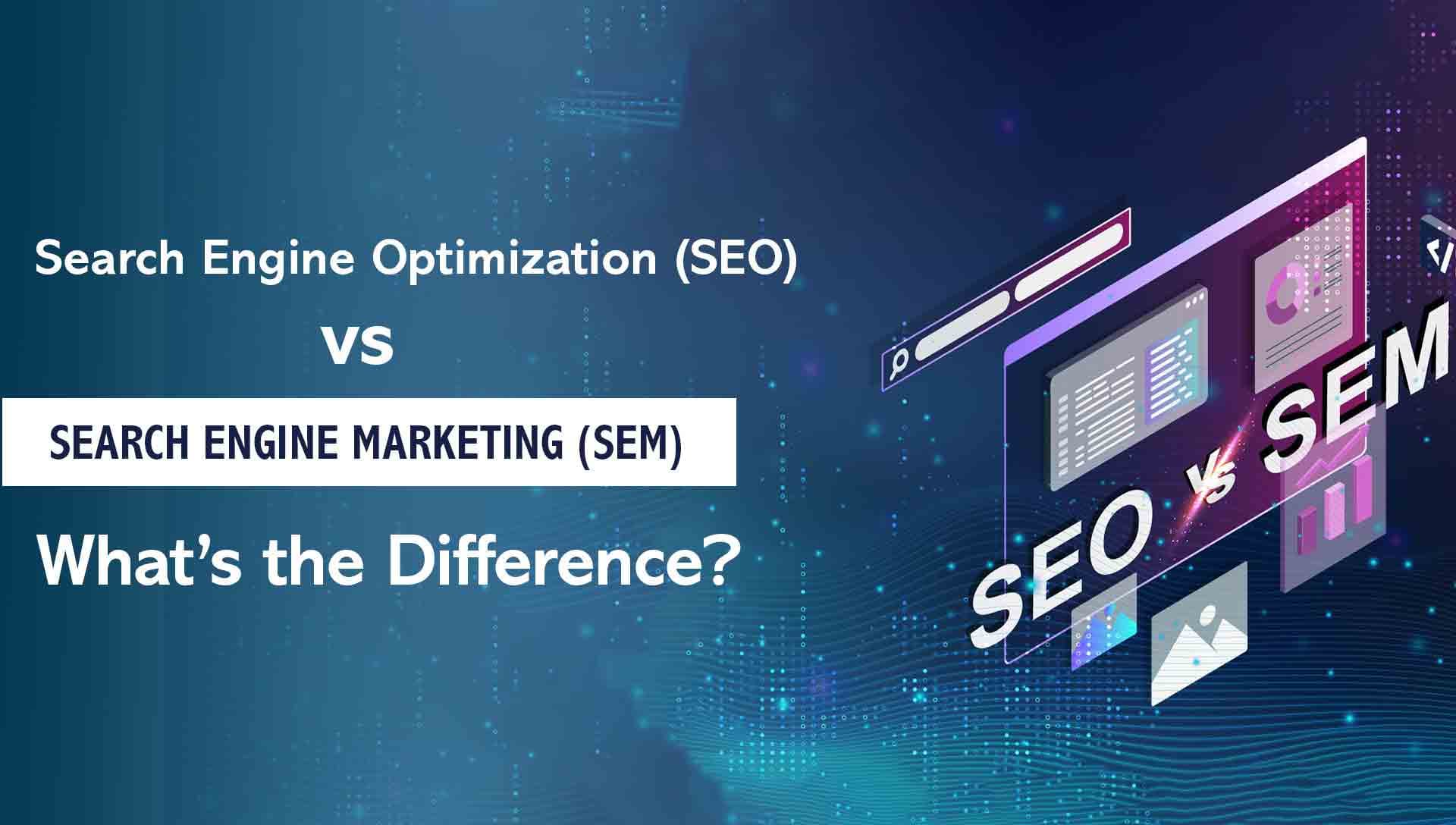
In today’s digital world, businesses need to master online visibility to succeed. Two major strategies stand out in this domain: Search Engine Optimization (SEO) and Search Engine Marketing (SEM). But what's the difference between these two approaches? How do you decide which is best for your business? Let's dive in and explore the key distinctions and how they work hand-in-hand to boost your online presence.
What is SEO?
Search Engine Optimization (SEO) is the process of optimizing a website to improve its visibility on organic search engine result pages (SERPs). When people search for keywords related to your business, SEO ensures that your site appears higher in the rankings, without needing paid ads.
Benefits of SEO
- Cost-effective: Since SEO focuses on organic traffic, it’s more budget-friendly compared to paid advertising.
- Long-term results: Once your website is optimized, it can rank for months or even years with regular maintenance.
- Builds trust: High-ranking websites are often seen as more credible and trustworthy by users.
What is SEM?
On the flip side, Search Engine Marketing (SEM) involves the use of paid ads to appear on search engine result pages. It typically includes PPC (Pay-Per-Click) advertising, where you pay for every click on your ad.
Benefits of SEM
- Instant results: Unlike SEO, which can take months, SEM delivers immediate visibility through paid ads.
- Targeted reach: Ads can be customized to reach specific audiences, making it easier to attract potential customers.
- Measurable ROI: With tools like Google Ads, businesses can track the performance of their ads and refine strategies accordingly.
SEO vs. SEM: Key Differences
Organic vs. Paid Results
- SEO focuses on driving organic traffic by optimizing content and technical aspects of your website.
- SEM relies on paid advertising to generate traffic instantly, particularly through PPC marketing.
Timeframe
- SEO takes time, as it involves building authority and optimizing for search engines. It’s a long-term investment.
- SEM, on the other hand, provides immediate results once a campaign is live.
Cost
- SEO is generally cheaper but requires consistent efforts like working with the best SEO company or a trusted organic SEO agency.
- SEM involves paying for ads, either through the best PPC management company or a professional PPC marketing agency.
Click-Through Rate (CTR)
- Users often trust organic results more, leading to a higher CTR for SEO-optimized sites.
- SEM marketing, though visible at the top, can have a lower CTR, as some users may ignore paid ads.
SEO and SEM: How They Complement Each Other
While SEO and SEM serve different purposes, they work best when combined. A business may use SEO services to build long-term organic traffic and search engine marketing services to get immediate visibility. This approach is ideal for maintaining a balance between short-term and long-term goals.
When to Use SEO
SEO is particularly effective for businesses looking for sustainable growth. It’s ideal if you want to establish your brand as a leader in your niche without continuously paying for ads. The best SEO agency can help craft a long-term strategy that will yield organic traffic over time.
When to Use SEM
SEM is perfect for launching new products, promoting limited-time offers, or driving immediate traffic. It’s the go-to solution for businesses looking for quick wins and fast ROI. Many rely on the best PPC management company to maximize the value of their campaigns.
Combining SEO and SEM for Maximum Results
A professional SEO service coupled with a performance marketing agency can help businesses create a strategy that leverages the strengths of both SEO and SEM. This way, you can build a solid foundation for organic growth while also gaining quick wins through paid media marketing.
SEO in E-commerce
E-commerce businesses particularly benefit from SEO in e-commerce. Ranking higher in organic searches for product-related keywords can lead to a significant increase in sales. Many e-commerce brands work with a digital SEO marketing company to optimize their product listings and improve visibility.
Best Practices for SEO and SEM
Choosing the Right Keywords
Whether you’re focusing on SEO marketing or SEM marketing, keyword research is crucial. You’ll want to use a mix of short-tail and long-tail keywords that resonate with your target audience. Tools like Google Keyword Planner can help you identify the best terms for your business.
Monitoring and Optimization
Both SEO and SEM require ongoing monitoring and adjustments. A PPC management agency can help optimize your paid ads, while an organic SEO agency will refine your on-page and off-page strategies to maintain or improve rankings.
Using Analytics for Performance Tracking
Make sure to use tools like Google Analytics to track the success of your search marketing company’s campaigns. This will help you make data-driven decisions, ensuring that your strategies are effective.
Conclusion
In the debate between SEO vs. SEM, there is no one-size-fits-all answer. It all depends on your business goals, budget, and how quickly you need results. Search engine optimization services offer long-term, sustainable growth, while search engine marketing services provide quick wins. Combining both can lead to the best of both worlds, helping your business achieve both immediate and future success.
FAQs
- What is the main difference between SEO and SEM?
SEO focuses on organic results, while SEM relies on paid advertising for visibility. - How long does SEO take to show results?
SEO can take several months to show significant improvements, depending on your strategy. - Is SEM better for e-commerce businesses?
Both SEO and SEM work well for e-commerce, but SEM can provide faster results for product launches and promotions. - Can I use both SEO and SEM at the same time?
Yes, combining both strategies can give your business a balanced approach to online visibility. - Which is cheaper: SEO or SEM?
SEO is typically cheaper in the long run, while SEM requires ongoing payments for ad placements.