The Evolution of Traditional Advertising: Advancements with Changing Times
DIGIDZN14 Jul 20236 min read
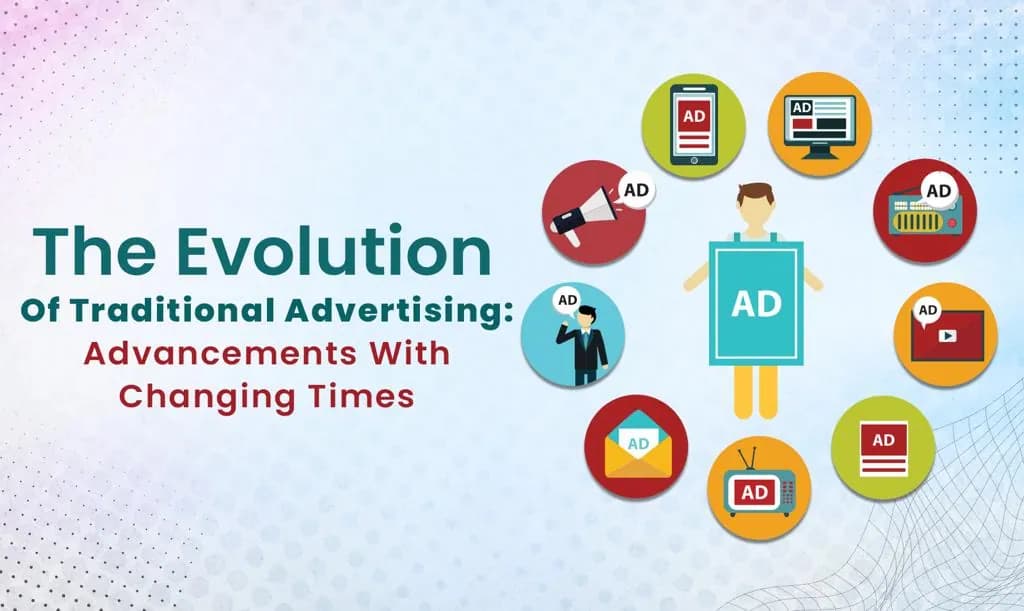
Traditional advertising strategies have long been a marketing mainstay; but, with the quick growth of technology and the ever-changing landscape of consumer behavior, these approaches need to change to remain relevant.
For instance, Facebook possesses 98 personal data points on its 2.2 billion users, resulting in a total of 215.6 billion data points. Similarly, Google, with its seven products having over 1 billion monthly active users each, collects enough personal data from its users in a year to equate to 569,555 sheets of paper.
Introduction
Digital marketing has stolen the spotlight in recent years, conventional advertising has not gone away. Instead, it has embraced new technology and used novel techniques to reach out to people in more effective and engaging ways.
This article will look at how classic advertising strategies are evolving with the times and how they continue to play an important position in the marketing mix.
1. Reinventing Print Advertising
Print advertising once considered the cornerstone of traditional advertising, has faced challenges with the rise of digital media. However, rather than fading away, it has adapted to the changing times. Print ads now incorporate interactive elements, such as QR codes and augmented reality (AR), allowing consumers to engage with the content beyond the physical page. Furthermore, advancements in data analytics have enabled advertisers to target specific audiences more effectively, ensuring that print advertisements are reaching the right people at the right time. Print publications have also embraced digital integration by offering online versions and cross-promoting their content through social media platforms. These innovations have revitalized print advertising and enabled it to coexist with digital marketing strategies.
2. The Power of Broadcast Advertising
Broadcast advertising, including television and radio, has historically been a dominant force in traditional advertising. With the advent of streaming services and personalized content consumption, advertisers have had to adapt to reach their target audiences effectively. The rise of connected TVs and streaming platforms has allowed for more precise targeting and interactive advertising experiences. Advertisers can now leverage data to deliver personalized content, making the advertisements more relevant and engaging for viewers. Additionally, radio advertising has embraced the digital era by incorporating podcasts and streaming services, expanding its reach and targeting capabilities. These advancements have revitalized broadcast advertising and allowed it to evolve alongside the changing media landscape.
3. The rise of user-generated content
According to the best digital marketing agencies in Delhi, the rise of user-generated content has transformed the advertising setting. Brands are increasingly attempting to build trust by cooperating with individuals that they feel their target audience would be willing to buy from. As a result, customers have shifted from being passive viewers to active participants in the advertising process. It is critical for companies to build a sense of community and involve customers in marketing their goods, emphasizing the importance put on platforms such as TripAdvisor, which is appreciated by both brands and consumers.
GoPro, a well-known business that routinely publishes user-generated material with its customers, is a perfect example of this technique. Rather of depending simply on marketing to persuade people to purchase their outstanding products, GoPro empowers their users to take the lead and speak for the brand.
4. Outdoor Advertising Goes Digital
Outdoor advertising, such as billboards and signage, has undergone a significant transformation with the integration of digital technologies. Digital billboards provide dynamic and interactive material that is constantly updated, allowing marketers to send current messages and instantly alter their campaigns. Furthermore, the use of location-based targeting and data analytics has increased the effectiveness and scalability of outdoor advertising. Advertisers may now watch customer behavior, optimize campaigns, and offer tailored communications based on certain demographics and areas.
Furthermore, outdoor advertising has expanded beyond traditional billboards, with digital screens appearing in public transportation, airports, and shopping malls. These advancements have made outdoor advertising more engaging, impactful, and adaptable to the changing consumer landscape.
5. Embracing Social Media and Influencer Marketing
Traditional advertising has also adapted to the rise of social media and influencer marketing with Social media Marketing Agency. Many brands have incorporated social media platforms into their advertising strategies, utilizing sponsored posts, influencer partnerships, and targeted ad placements. Social media advertising allows for precise audience targeting, immediate customer feedback, and the ability to create interactive and shareable content. Influencer marketing, on the other hand, leverages the reach and influence of individuals with large online followers to promote products and services. By partnering with an Influencer Marketing Company in Delhi that aligns with their brand values, advertisers can effectively reach and engage niche audiences. These strategies have revolutionized the way traditional advertising reaches and connects with consumers, particularly the younger generation who are highly active on social media.
Conclusion
While digital marketing has grown in popularity in recent years, classic advertising strategies have not been forgotten. They have embraced technological improvements and used new ways to remain relevant and effective in changing times. Print advertising has been transformed by the use of interactive components and digital connectivity. Broadcast advertising has embraced data analytics and personalized content delivery. Outdoor advertising has gone digital, making use of dynamic content and location-based targeting. Social media and influencer marketing are now seamlessly incorporated into traditional advertising methods, allowing firms to interact with customers in novel and interesting ways.
Traditional advertising's development reveals its durability and capacity to adapt to an ever-changing marketing landscape. Rather than being displaced, classic advertising tactics have been enhanced by the use of new technology and strategies. Marketers can design complete campaigns that reach a larger audience and deliver powerful results by combining the benefits of conventional and digital advertising. Traditional advertising will continue to adapt alongside consumer behavior, adopting new technology and tactics to remain an important component of the marketing mix.
Read Also:
How we sold 1st 7500 units in 100 days on eCommerce portals!
Top 5 Ways Digital Marketing Can Help Businesses In 2023
THE ROLE OF SEO IN DIGITAL MARKETING: HOW IT CAN BOOST YOUR ONLINE VISIBILITY
Boost Your PPC Marketing: Discover the Secrets of AI-Driven Ad Optimization with ChatGPT!