The Ultimate Guide to Account-Based Marketing (ABM)
DIGIDZN13 Aug 20246 min read
Introduction
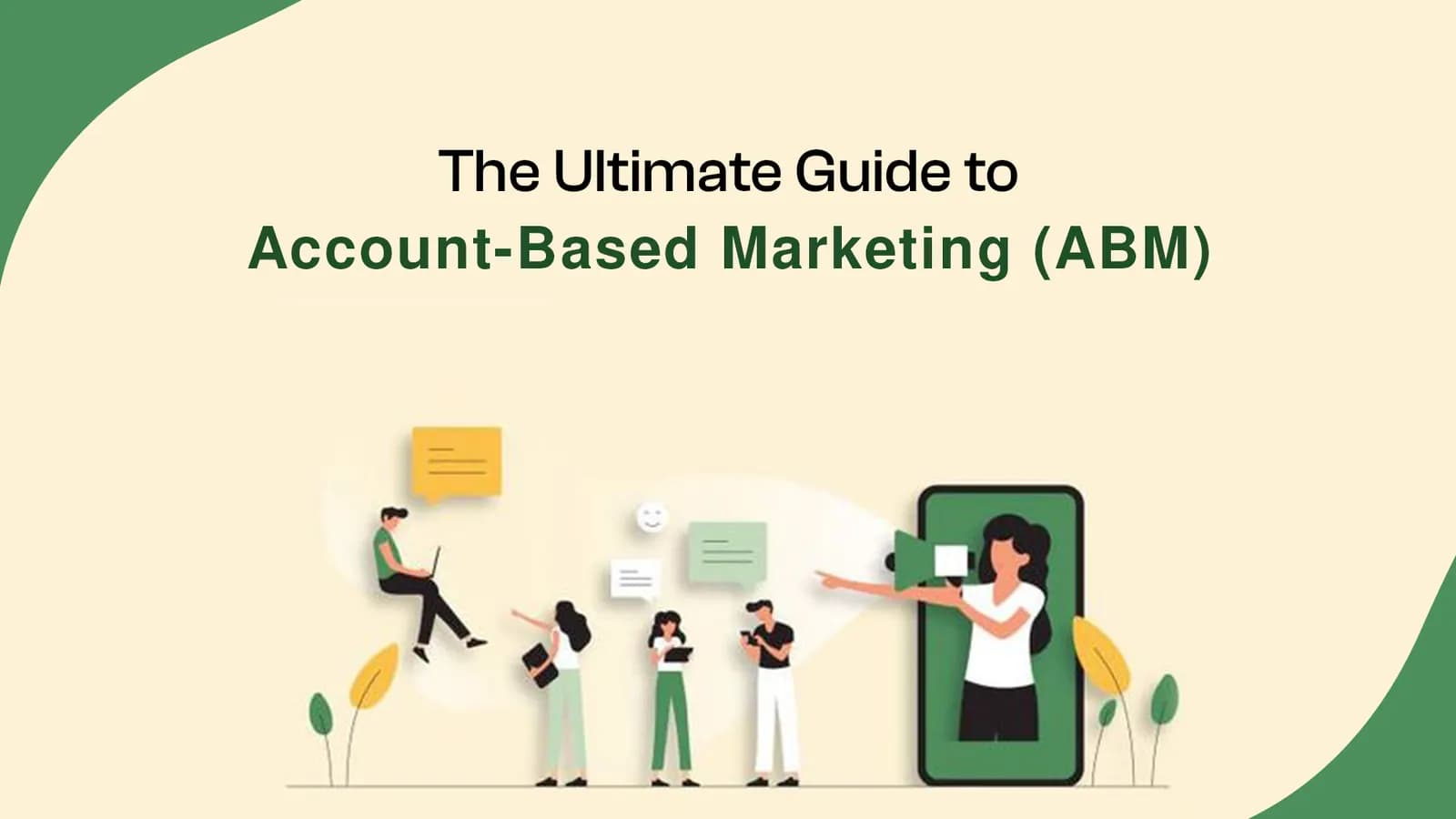
Account-Based Marketing (ABM) is a highly focused business strategy in which a marketing team treats an individual prospect or customer like its very own market. Instead of casting a wide net to attract as many leads as possible, ABM focuses resources on a set of target accounts and employs personalized campaigns designed to resonate with each account. This approach has gained significant traction and is now a cornerstone of B2B marketing strategies.
Understanding ABM
Key Principles of ABM
ABM revolves around the idea of aligning marketing and sales efforts to focus on specific high-value accounts. The key principles include:
- Targeted Approach: Prioritizing quality over quantity by focusing on high-value accounts.
- Personalization: Crafting customized campaigns for each account to address their unique needs and pain points.
- Integration: Ensuring seamless collaboration between marketing and sales teams.
Differences Between ABM and Traditional Marketing
Unlike traditional marketing, which aims to generate a large number of leads, ABM zeroes in on a select group of high-value prospects. Traditional marketing might use broad messages to appeal to a wide audience, while ABM employs tailored messaging that speaks directly to the needs of individual accounts.
Benefits of ABM
Higher ROI
ABM has been shown to deliver a higher return on investment (ROI) compared to other marketing strategies. By focusing on high-value accounts, resources are used more efficiently, leading to better outcomes.
Improved Customer Relationships
By providing personalized experiences, ABM helps in building stronger relationships with key accounts. This approach fosters trust and loyalty, which can lead to long-term business partnerships.
Streamlined Marketing Efforts
ABM streamlines marketing efforts by aligning them closely with sales goals. This synergy ensures that both teams work towards common objectives, making the marketing process more efficient and effective.
ABM Strategy Development
Identifying Target Accounts
The first step in ABM is to identify the accounts that will benefit most from your products or services. This involves extensive research and analysis to pinpoint high-value targets.
Building an Ideal Customer Profile (ICP)
An Ideal Customer Profile (ICP) is a detailed description of the perfect customer based on your existing customers' data. It includes information such as industry, company size, location, and pain points.
Personalized Marketing Approaches
Once target accounts and ICPs are established, the next step is to develop personalized marketing strategies. This could involve customized content, tailored email campaigns, and specific product offerings that address the unique needs of each account.
ABM Tactics and Tools
Utilizing Data and Analytics
Data and analytics play a crucial role in ABM. By leveraging data, marketers can gain insights into the behavior and preferences of target accounts, allowing for more precise targeting and personalization.
Engaging Content Creation
Content is king in ABM. High-quality, relevant content is essential to capture the attention of target accounts. This can include blog posts, whitepapers, case studies, and personalized emails.
Multi-Channel Campaigns
Using multiple channels to reach target accounts is vital in ABM. This includes email marketing, social media, direct mail, and events. Each channel should deliver a consistent and personalized message.
Implementation of ABM
Aligning Sales and Marketing Teams
For ABM to be successful, sales and marketing teams must work closely together. This collaboration ensures that both teams are aligned in their goals and strategies, leading to more effective campaigns.
Integrating ABM Tools
There are numerous tools available to support ABM efforts, including customer relationship management (CRM) systems, marketing automation platforms, and analytics tools. Integrating these tools can help streamline processes and provide valuable insights.
Tracking and Measuring Success
Measuring the success of ABM campaigns is critical. Key performance indicators (KPIs) such as engagement rates, conversion rates, and revenue generated should be tracked and analyzed to refine and improve future campaigns.
Challenges in ABM
Common Pitfalls
ABM comes with its own set of challenges. Common pitfalls include misalignment between sales and marketing teams, lack of proper tools and technology, and difficulty in measuring ROI.
Solutions and Best Practices
To overcome these challenges, businesses should invest in the right tools, foster collaboration between teams, and establish clear metrics for success. Regularly reviewing and adjusting strategies can also help in achieving better outcomes.
Future of ABM
Trends to Watch
The future of ABM looks promising with several emerging trends. These include the increased use of artificial intelligence (AI) and machine learning to enhance targeting and personalization, greater integration of ABM tools, and a continued focus on multi-channel campaigns.
Evolving Strategies
As ABM continues to evolve, businesses must stay agile and adapt their strategies to stay ahead of the competition. This includes leveraging new technologies, continuously optimizing campaigns, and maintaining a customer-centric approach.
Conclusion
In conclusion, Account-Based Marketing (ABM) is a powerful strategy for businesses looking to target high-value accounts with personalized marketing efforts. By aligning sales and marketing teams, utilizing data and analytics, and leveraging the right tools, businesses can achieve higher ROI, improved customer relationships, and streamlined marketing efforts. As ABM continues to evolve, staying updated with the latest trends and best practices will be crucial for success.
FAQs
- What is the difference between ABM and traditional marketing? ABM focuses on high-value accounts with personalized campaigns, while traditional marketing targets a broader audience with generalized messages.
- How do you measure the success of an ABM campaign? Success can be measured using KPIs such as engagement rates, conversion rates, and revenue generated.
- What industries benefit the most from ABM? Industries like IT, healthcare, and finance benefit significantly from ABM due to their high-value accounts and complex sales cycles.
- Can small businesses implement ABM? Yes, small businesses can implement ABM by focusing on a smaller set of high-value accounts and leveraging cost-effective tools.
- What are some common mistakes in ABM? Common mistakes include misalignment between sales and marketing teams, lack of proper tools, and insufficient personalization.
- How can ABM improve customer relationships? ABM improves customer relationships by providing personalized experiences that address specific needs and pain points of target accounts.
- What tools are essential for ABM? Essential tools for ABM include CRM systems, marketing automation platforms, and analytics tools.
- How do you identify target accounts for ABM? Identifying target accounts involves extensive research and analysis to pinpoint high-value prospects that align with your Ideal Customer Profile (ICP).
- How does ABM align with content marketing? ABM aligns with content marketing by creating high-quality, personalized content that resonates with target accounts and
- drives engagement.
- What are the future trends in ABM? Future trends in ABM include increased use of AI and machine learning, greater integration of ABM tools, and a continued focus on multi-channel campaigns.