Understanding Keyword Match Types for Effective Google Ads Campaigns
DIGIDZN26 Dec 20245 min read
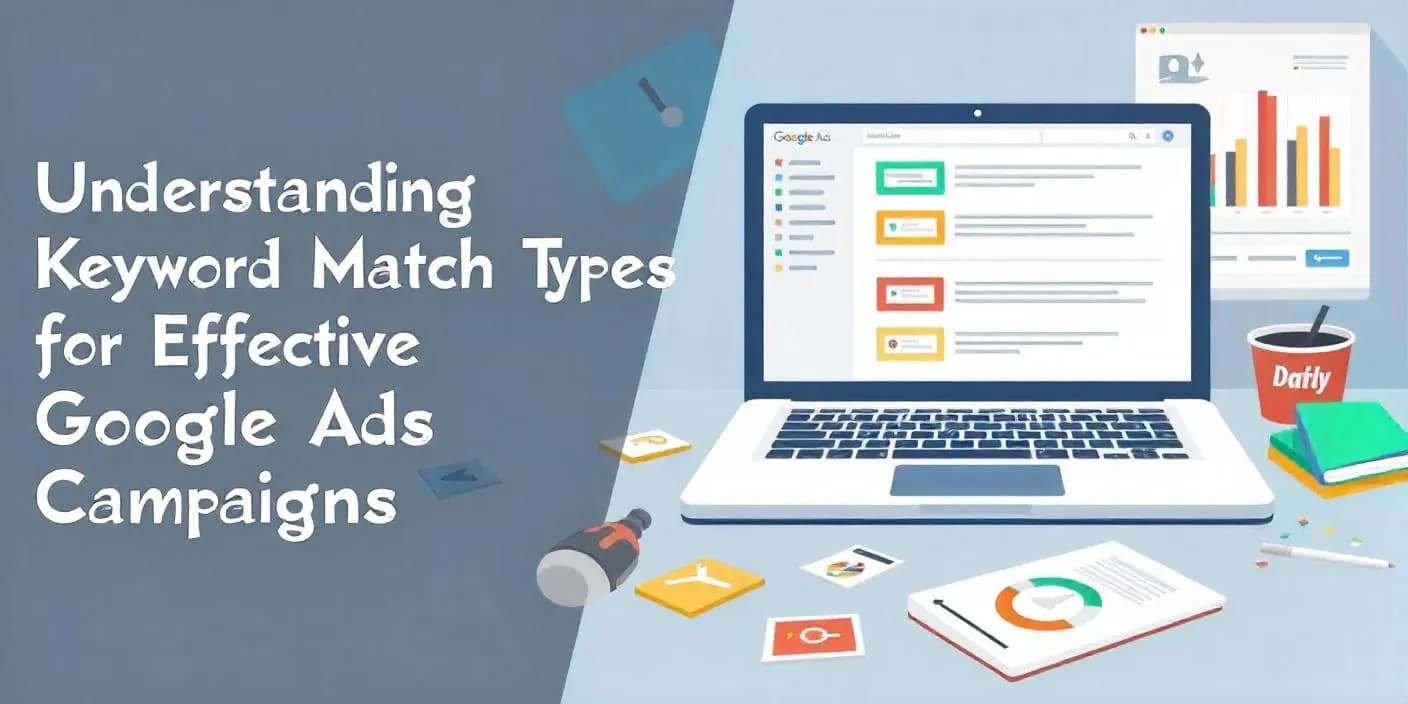
In the world of Search Engine Marketing (SEM), knowing how to choose and use the right keyword match types is essential for creating a successful Google Ads campaign. Keyword match types determine how closely a search term needs to match your keyword to trigger your ad. This understanding is vital for any PPC Marketing Agency looking to maximize ad performance, control ad spend, and target the right audience. In this article, we’ll explore the different types of keyword matches, their pros and cons, and how a Performance Marketing Agency can leverage them to create effective campaigns.
Why Keyword Match Types Matter
Keyword match types play a critical role in determining the reach and effectiveness of your ads. When utilized effectively, they can help improve your ad relevance, reduce costs, and increase your ROI. Partnering with a PPC Management Agency ensures that these nuances are managed well, optimizing your ad budget and driving better results for your business.
Different Keyword Match Types in Google Ads
-
Broad Match
- Broad match is the default match type that reaches the widest audience by including misspellings, synonyms, and related searches. For instance, if your keyword is “Paid Media Marketing,” Google may display your ad to users searching for “social media marketing” or “digital advertising.”
- Broad match is best used when you want to increase brand awareness. However, it can sometimes lead to irrelevant clicks, making it essential to have proper management from the Best PPC Management Company.
- Broad Match Modifier
- Although no longer available in its original form, broad match modifier allowed advertisers to control specific words in a phrase. While broad match modifier is gone, Search Engine Marketing professionals now use phrase or exact match to achieve similar results.
- Phrase Match
- Phrase match allows ads to appear when a user’s search query includes the keyword phrase in the exact order. For example, an ad for “PPC Marketing Agency” may appear when users search for “best PPC marketing agency near me.”
- This match type allows more control than broad match while still capturing some variations. It’s an effective way to narrow down to a specific audience without limiting reach drastically.
- Exact Match
- As the name suggests, exact match triggers ads only for queries that exactly match the keyword. For example, an ad for “Search Engine Marketing Service” will show only when users search for that exact term.
- Exact match is highly targeted, ideal for campaigns with a strict budget or when targeting high-intent searches.
- Negative Match
- Negative match keywords prevent ads from appearing on irrelevant searches. For example, if you’re a PPC Marketing Agency focusing on paid campaigns, you can set “free” as a negative keyword to avoid users looking for free services.
Choosing the Right Match Type for Your Campaign
Selecting the right match type depends on your goals. A Search Engine Marketing Service provider might use broad match keywords to increase brand awareness, while a Performance Marketing Agency might focus on phrase or exact match to drive high-quality leads.
Partnering with an experienced PPC Management Agency is essential in this process, as they’ll guide you on how to effectively use each match type based on your campaign’s objectives.
Best Practices for Effective Keyword Match Types
- Monitor and Adjust: Regularly analyze your search term reports to identify high-performing keywords. A PPC Management Agency can manage these adjustments, ensuring optimal campaign performance.
- Use Negative Keywords: Block irrelevant searches with negative keywords to improve your return on ad spend.
- Leverage Paid Social Media Advertising: Combine your Google Ads campaign with Paid Social Media Advertising to reach audiences on different platforms, enhancing your campaign’s reach.
FAQ Section
-
What are keyword match types in Google Ads?
- Keyword match types determine how closely a search term needs to match your keyword for your ad to appear.
- How does broad match work?
- Broad match shows ads for related searches, including synonyms and misspellings, making it suitable for reaching a wider audience.
- Why is exact match ideal for high-intent searches?
- Exact match targets specific searches closely aligned with the keyword, resulting in better-qualified leads.
- What happened to broad match modifier?
- Google phased out broad match modifier in favor of updated phrase match.
- When should I use phrase match keywords?
- Phrase match is useful for targeting a slightly broader audience than exact match while maintaining keyword order relevance.
- How do negative keywords work?
- Negative keywords prevent your ads from showing on irrelevant searches, saving ad spend.
- Why is regular keyword optimization essential?
- Optimization helps in identifying high-performing keywords and refining campaigns for better ROI.
- What’s the benefit of hiring a PPC Management Agency?
- A PPC Management Agency can provide expertise, manage campaigns, and optimize performance.
- How can I combine Google Ads with Paid Social Media Advertising?
- Integrating Google Ads with Paid Social Media Advertising helps reach a wider audience across different platforms.
- What is the best keyword match type for brand awareness?
- Broad match is generally effective for building brand awareness due to its wider reach.
By understanding keyword match types and working with a professional PPC Marketing Agency like digiDZN, you can elevate your campaign's success and drive measurable results. For more insights on SEM strategies, visit our blog. Ready to take your ad strategy to the next level? Contact our team today.