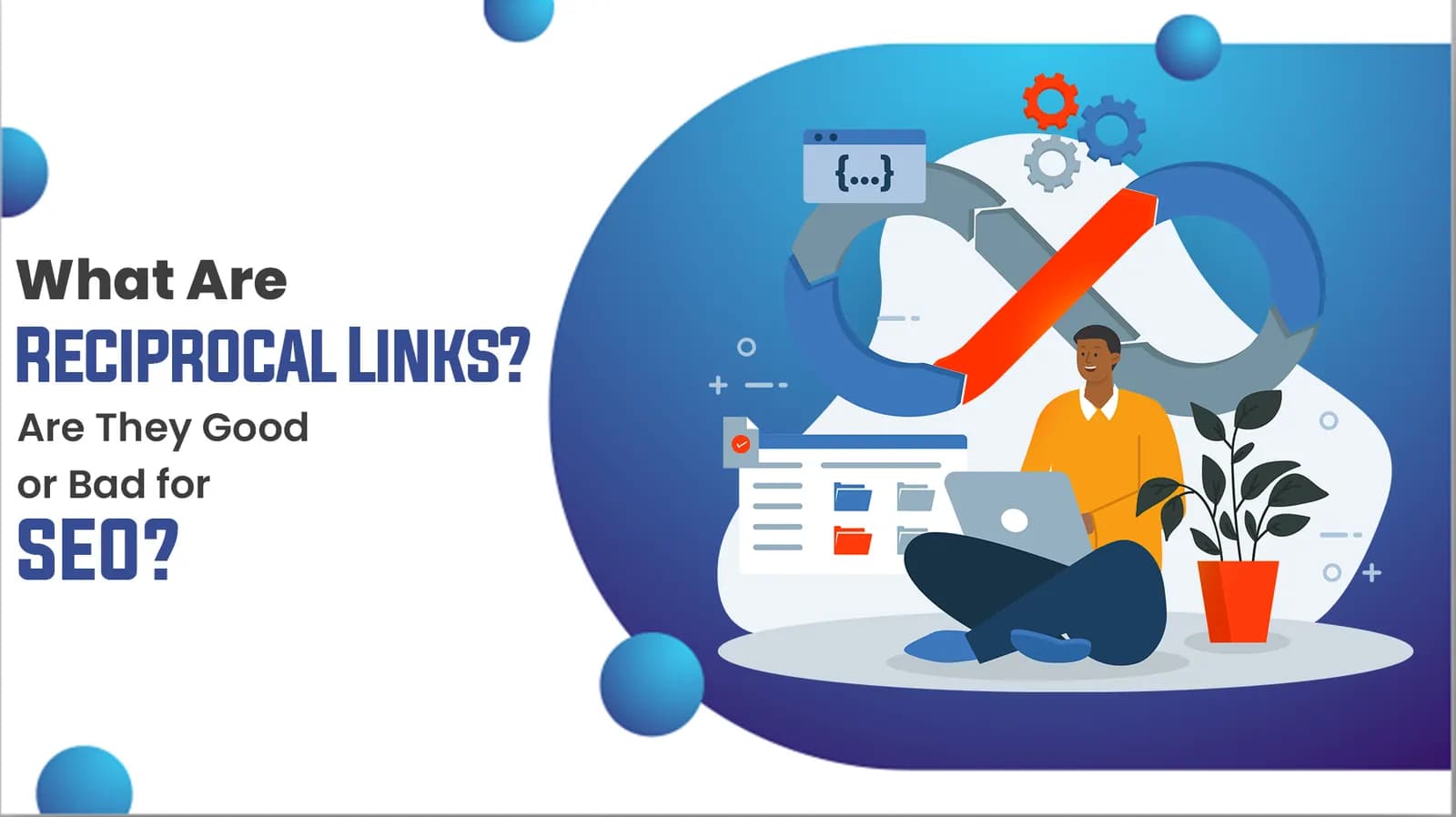
What Are Reciprocal Links? Are They Good or Bad for SEO?
DIGIDZN8 May 20245 min read
Introduction
In the dynamic world of digital marketing, understanding various SEO strategies is crucial. Among these strategies, reciprocal links often come up in discussions. But what exactly are reciprocal links, and are they beneficial or detrimental to your SEO efforts? Let’s dive in and explore this topic comprehensively.
What Are Reciprocal Links?
Reciprocal links, also known as link exchanges, occur when two websites agree to link to each other. This mutual agreement is intended to benefit both parties by driving traffic and enhancing their online presence. Essentially, it's like saying, "I'll scratch your back if you scratch mine."
How Reciprocal Links Work
Reciprocal links are usually established through direct communication between website owners. One party proposes a link exchange, and if the other party agrees, both websites add links to each other’s content. This can be a one-time arrangement or part of an ongoing partnership.
Historical Context of Reciprocal Links
In the early days of SEO, reciprocal links were a popular strategy for boosting search engine rankings. Search engines viewed these links as endorsements, signaling that the linked websites were credible and relevant. However, as SEO tactics evolved, so did the algorithms, making it essential to reassess the value of reciprocal links.
Are Reciprocal Links Good for SEO?
The effectiveness of reciprocal links for SEO is a topic of debate. While they can offer some benefits, they also come with risks. Search engines like Google have become smarter at detecting manipulative link-building practices, and relying too heavily on reciprocal links can potentially harm your rankings. This is especially important for businesses seeking SEO Services in Delhi or looking to enhance their digital presence.
Benefits of Reciprocal Links
Enhanced Relationships
Reciprocal links can foster positive relationships between website owners. Collaborating with others in your industry can lead to new opportunities, such as partnerships, guest blogging, and more. For instance, a Digital Marketing Service provider might find reciprocal links beneficial in building strong industry connections.
Increased Traffic
When two websites link to each other, they can share their audiences. This can drive more traffic to your site, especially if the partnering website has a substantial following. A Social Media Agency in Delhi can leverage this to reach a wider audience.
Building Authority
If you exchange links with reputable sites, it can enhance your site's authority. Quality reciprocal links can contribute to a perception of credibility and trustworthiness, which is crucial for an SEO Agency in Delhi.
Drawbacks of Reciprocal Links
Risk of Penalties
Search engines are wary of manipulative link schemes. Excessive reciprocal linking can be seen as an attempt to game the system, which might lead to penalties and a drop in rankings.
Low-Quality Links
Not all reciprocal links are beneficial. Links from low-quality or irrelevant sites can harm your SEO rather than help it. It's crucial to ensure that any reciprocal links come from reputable sources.
Time-Consuming
Building and maintaining reciprocal link relationships can be time-consuming. It requires ongoing communication and management, which can divert resources from other important SEO activities.
Best Practices for Using Reciprocal Links
Quality Over Quantity
Focus on exchanging links with high-quality, relevant websites rather than trying to accumulate as many links as possible. A few good links are far more valuable than numerous low-quality ones.
Relevant Links
Ensure that the links are relevant to your content. Irrelevant links can confuse search engines and users, potentially leading to lower rankings.
Natural Link Building
Approach reciprocal linking naturally. Avoid making it look like a forced exchange. The links should fit naturally within the content, providing value to the reader.
Alternative Link-Building Strategies
Guest Blogging
Guest blogging on reputable sites is a great way to build high-quality backlinks. It also allows you to reach a broader audience and establish yourself as an authority in your field.
Influencer Outreach
Collaborating with influencers in your niche can lead to valuable backlinks. Influencers can share your content with their followers, providing exposure and credibility.
Content Marketing
Creating high-quality, shareable content naturally attracts backlinks. Focus on producing content that provides value, solves problems, or offers unique insights.
Conclusion
Reciprocal links can be a double-edged sword in the realm of SEO. While they offer benefits like increased traffic and enhanced relationships, they also pose risks such as potential penalties and the challenge of maintaining quality. By focusing on quality, relevance, and natural link-building practices, you can leverage reciprocal links effectively without compromising your SEO efforts.
FAQs
1. What are reciprocal links?
Reciprocal links are mutual agreements between two websites to link to each other, intended to benefit both parties by driving traffic and enhancing online presence.
2. Are reciprocal links bad for SEO?
Reciprocal links can be bad for SEO if overused or if they come from low-quality sites. They need to be used carefully and sparingly to avoid penalties from search engines.
3. How can I use reciprocal links safely?
Use reciprocal links safely by focusing on quality over quantity, ensuring relevance, and integrating them naturally within your content.
4. What are some good alternatives to reciprocal links?
Alternatives to reciprocal links include guest blogging, influencer outreach, and content marketing, all of which can generate high-quality backlinks.
5. How do I know if a link is high quality?
A high-quality link typically comes from a reputable, relevant site with good domain authority and provides value to your content and audience.