The Ultimate Guide to Storytelling in Marketing & Business
DIGIDZN23 Aug 20247 min read
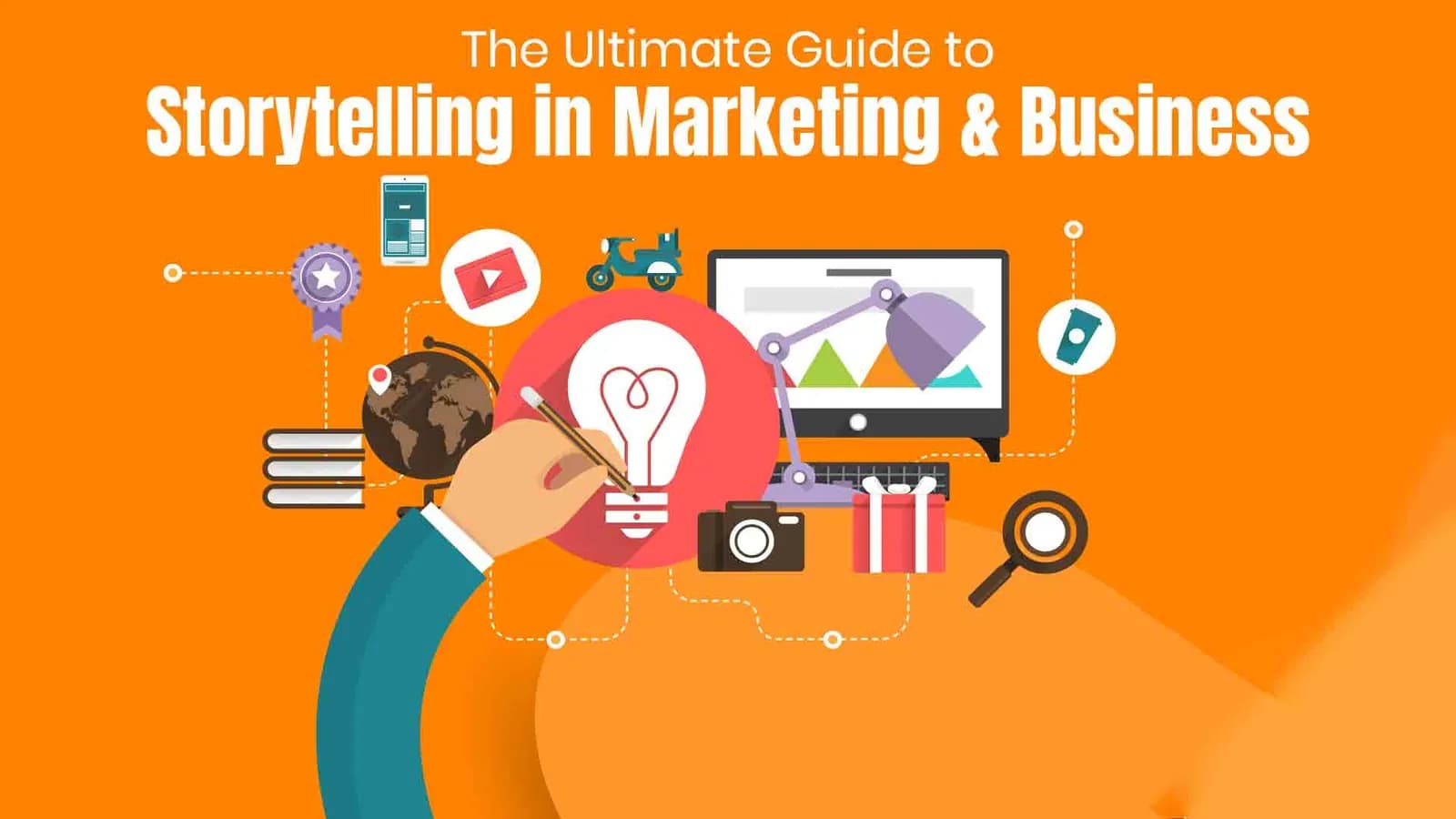
In today's fast-paced digital world, where consumers are bombarded with countless messages daily, how can businesses stand out? The answer lies in storytelling. Storytelling is not just a buzzword; it's a powerful tool that can transform your marketing efforts and resonate deeply with your audience. Whether you’re a digital marketing company in Delhi or a global brand, mastering the art of storytelling can help you connect with your audience on a human level, build trust, and drive engagement.
Why Storytelling Matters in Marketing
Storytelling is an age-old technique that has been used to communicate ideas, values, and cultures. In marketing, it serves a similar purpose by helping brands convey their message in a way that is relatable and memorable. When done right, storytelling can evoke emotions, create a sense of belonging, and ultimately lead to customer loyalty.
For instance, a compelling story about how your SMM services helped a small business grow can be more impactful than simply listing your services. It humanizes your brand and makes it more relatable to potential customers.
The Role of Storytelling in Business
In business, storytelling goes beyond marketing. It can be used to define your brand’s identity, culture, and values. A well-crafted story can articulate your mission, inspire your team, and attract like-minded customers.
Take Apple, for example. Their brand story revolves around innovation, creativity, and challenging the status quo. This narrative is woven into everything they do, from their products to their marketing campaigns, making Apple one of the most iconic brands in the world.
Step 1: Define Your Brand Story
The first step in using storytelling for your business is to define your brand story. What does your brand stand for? What are your core values? What makes you different from your competitors? Answering these questions will help you craft a story that resonates with your audience.
For a digital marketing company in Delhi, your brand story might focus on your journey of helping businesses navigate the digital landscape and achieve success through tailored marketing strategies.
Step 2: Know Your Audience
Understanding your audience is crucial to effective storytelling. Who are they? What are their needs, desires, and pain points? The more you know about your audience, the better you can tailor your story to resonate with them.
For example, if you offer SMO marketing services, your audience might be small business owners looking to increase their online presence. Your story should address their challenges and show how your services can help them achieve their goals.
Step 3: Create a Compelling Narrative
A compelling narrative is at the heart of every great story. It should have a clear beginning, middle, and end, with a protagonist (your brand or customer) facing a challenge and finding a solution (your product or service).
For instance, if you’re promoting SEO online marketing services, you could tell the story of a business struggling to get noticed online, only to achieve remarkable success after implementing your SEO strategies.
Step 4: Use Visual Storytelling
In the digital age, visuals are a powerful storytelling tool. Images, videos, and infographics can enhance your narrative and make it more engaging. They can also help break down complex ideas and make them easier to understand.
For a digital marketing company in Delhi, creating a video case study showcasing a client’s journey from obscurity to online success can be a highly effective way to tell your story.
Step 5: Be Authentic
Authenticity is key to successful storytelling. Consumers are increasingly skeptical of overly polished, sales-driven messages. They crave real, authentic stories that they can relate to.
For example, sharing behind-the-scenes content of your SMM services team at work can help humanize your brand and build trust with your audience. It shows that you’re more than just a company – you’re a team of real people passionate about what you do.
Step 6: Integrate Storytelling Across All Channels
Your brand story should be consistent across all marketing channels, from your website and social media to your email campaigns and advertising. This ensures that your audience receives a cohesive message no matter where they interact with your brand.
For example, if your story emphasizes the personalized approach of your SMO marketing services, this narrative should be reflected in your social media posts, blog content, and even your customer service.
Step 7: Engage Your Audience
Great storytelling is a two-way conversation. Engage your audience by encouraging them to share their own stories and experiences. User-generated content, such as testimonials, reviews, and social media posts, can add credibility to your story and create a sense of community around your brand.
For instance, if you’re a digital marketing company in Delhi, you could run a social media campaign inviting customers to share their success stories after using your services.
Step 8: Measure the Impact of Your Storytelling
Like any marketing strategy, it’s important to measure the impact of your storytelling efforts. Use analytics tools to track engagement, conversion rates, and other key metrics. This will help you understand what’s working and where you need to make adjustments.
For example, if you notice that blog posts about your SEO online marketing services are getting more engagement than other content, you might consider focusing more on this topic in your future storytelling efforts.
Step 9: Adapt and Evolve Your Story
Your brand story is not set in stone. It should evolve as your business grows and as market conditions change. Regularly revisit your story to ensure it remains relevant and resonates with your audience.
For instance, if your digital marketing company in Delhi expands its services to include new technologies like AI and machine learning, you might want to update your story to reflect this evolution.
Step 10: Leverage Technology to Enhance Storytelling
Finally, leverage technology to enhance your storytelling efforts. From AI-powered content creation tools to augmented reality experiences, technology can help you create more immersive and personalized stories.
For example, using AI to analyze customer data can help you craft more targeted stories that resonate with specific audience segments. Similarly, augmented reality can bring your SMO marketing stories to life in new and exciting ways.
FAQs
- Why is storytelling important in marketing?
- Storytelling helps brands connect with their audience on an emotional level, making their message more memorable and impactful.
- How can storytelling improve my SMO marketing efforts?
- Storytelling can make your social media content more engaging, helping to build a loyal community around your brand.
- What are some examples of brands that use storytelling effectively?
- Brands like Apple, Nike, and Coca-Cola are known for their compelling brand stories that resonate with their audiences.
- How do I start crafting my brand’s story?
- Begin by defining your brand’s mission, values, and what makes you unique. Then, create a narrative that reflects these elements.
- Can storytelling help with SEO online marketing?
- Yes, storytelling can make your content more engaging, leading to higher user retention and better SEO performance.
- What role do visuals play in storytelling?
- Visuals can enhance your narrative, making it more engaging and easier to understand for your audience.
- How can I measure the success of my storytelling efforts?
- Use analytics tools to track metrics like engagement, conversion rates, and user feedback to gauge the effectiveness of your storytelling.
- Is authenticity important in storytelling?
- Absolutely. Authentic stories are more relatable and can help build trust with your audience.
- How can I use user-generated content in my storytelling?
- Encourage your customers to share their experiences with your brand and incorporate their stories into your marketing content.
- How can technology enhance my storytelling efforts?
- Technology like AI and augmented reality can help you create more personalized and immersive stories that resonate with your audience.