Time To Replace the Content Marketing Funnel (3 Alternatives)
DIGIDZN26 Jun 20245 min read
Introduction
Is it time to rethink your content marketing strategy? The traditional content marketing funnel, once the cornerstone of digital strategies, may no longer cut it in today’s fast-paced environment. As businesses and consumers evolve, so must our approaches. In this article, we’ll explore three innovative alternatives to the content marketing funnel that can give your strategy a fresh edge.
The Traditional Content Marketing Funnel
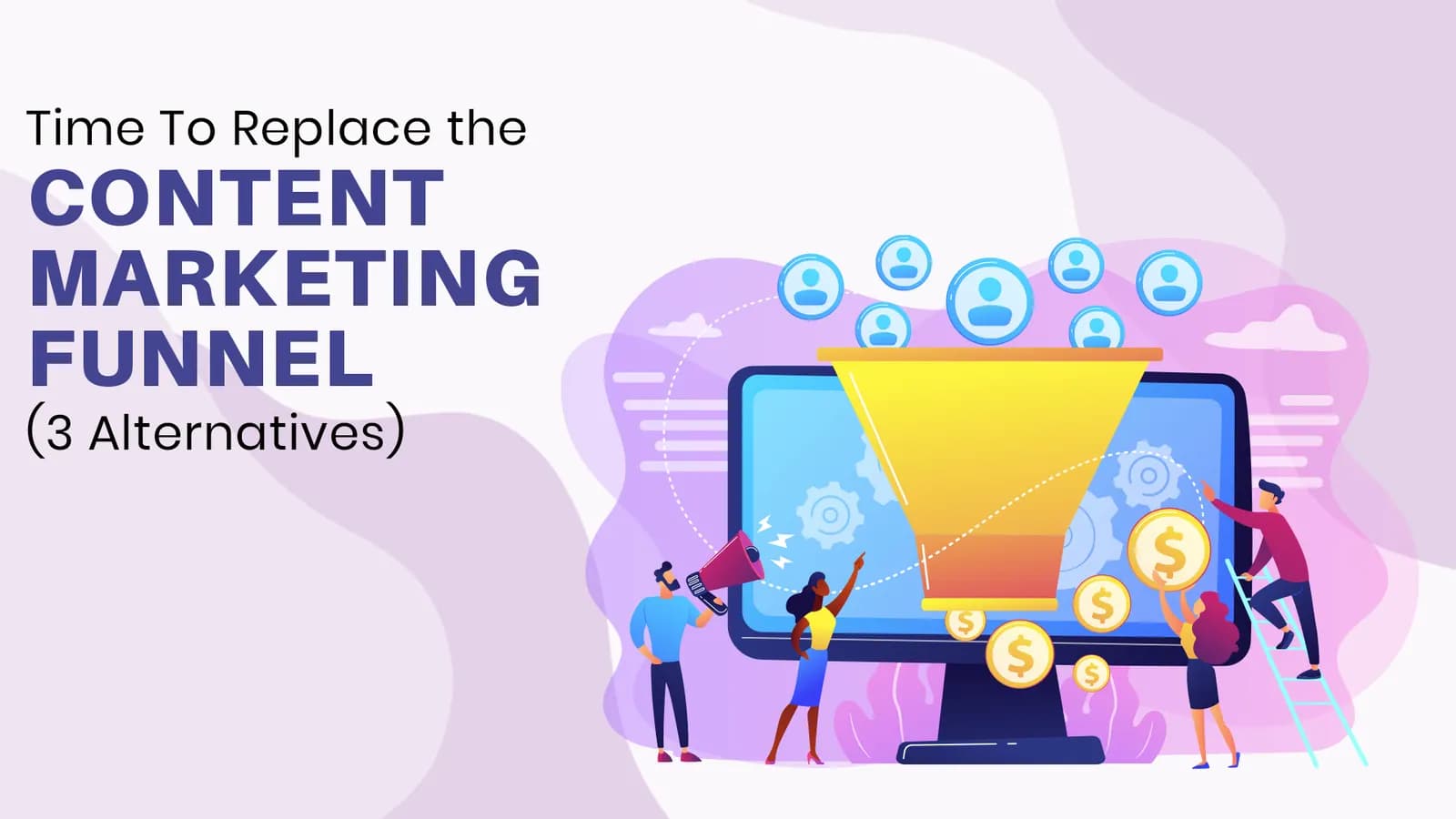
The content marketing funnel is a familiar concept for many. It typically involves three stages: awareness, consideration, and decision. The goal is to guide potential customers from the top of the funnel, where they become aware of your brand, down to the bottom, where they make a purchase.
However, the digital landscape is changing. Consumers are more informed and have higher expectations. The linear path of the traditional funnel doesn't always account for the complex, multi-touchpoint journeys that modern buyers undertake. This is where new models come into play.
Alternative 1: The Content Experience Model
The Content Experience Model shifts the focus from guiding prospects through a funnel to creating engaging, personalized experiences at every touchpoint. Instead of seeing content as a means to an end, this model views content as a continuous, evolving journey.
Benefits of the Content Experience Model
-
Personalization: Tailors content to individual user preferences and behaviors.
- Engagement: Keeps the audience engaged through interactive and immersive experiences.
- Flexibility: Adapts to various customer journeys, making it less rigid than the funnel approach.
Case Studies/Examples
For example, a Content Marketing Agency in Delhi might implement this model by creating personalized content hubs for different audience segments, using data-driven insights to continually refine the user experience.
Alternative 2: The Flywheel Model
The Flywheel Model, popularized by HubSpot, emphasizes the cyclical nature of customer interactions. It focuses on three key stages: attract, engage, and delight. This model recognizes that happy customers are powerful promoters who can drive new business through word-of-mouth and referrals.
Benefits of the Flywheel Model
-
Customer-Centric: Puts the customer at the center of all activities.
- Sustainable Growth: Leverages customer satisfaction to create a self-sustaining growth cycle.
- Momentum: Builds on positive customer interactions to maintain continuous business growth.
Case Studies/Examples
A Digital Marketing Agency in Delhi might adopt the Flywheel Model by enhancing their Social Media Management Service to not just attract new clients, but also engage and delight existing ones, turning them into brand advocates.
Alternative 3: The Customer Journey Model
The Customer Journey Model focuses on mapping out the entire journey a customer takes with your brand, from initial contact to post-purchase interactions. This approach helps in identifying and optimizing key touchpoints that influence purchasing decisions.
Benefits of the Customer Journey Model
-
Holistic View: Provides a comprehensive understanding of customer interactions across all channels.
- Optimization: Identifies critical touchpoints for improvement to enhance the overall customer experience.
- Alignment: Ensures that all marketing efforts are aligned with customer needs and behaviors.
Case Studies/Examples
A Digital Marketing Service in Delhi could utilize this model by developing detailed customer journey maps and using these insights to tailor marketing campaigns that resonate deeply with their audience.
Implementing These Alternatives in Your Strategy
Transitioning from a traditional funnel to these new models involves several steps:
- Assess Your Current Strategy: Identify what’s working and what’s not in your current funnel.
- Choose the Right Model: Select the model that best aligns with your business goals and customer behavior.
- Gather Data: Use analytics tools to gain insights into customer interactions and preferences.
- Create Engaging Content: Develop content that resonates with your audience at each stage of their journey.
- Measure and Optimize: Continuously monitor performance and refine your strategy based on data-driven insights.
Conclusion
The content marketing funnel has served us well, but it’s time to explore new horizons. Whether you opt for the Content Experience Model, the Flywheel Model, or the Customer Journey Model, each offers unique advantages that can help you stay ahead of the competition. Embrace these alternatives and watch your content marketing efforts soar.
FAQs
What is a content marketing funnel?
A content marketing funnel is a strategy that guides potential customers through stages of awareness, consideration, and decision, aiming to convert them into paying customers.
Why is the traditional funnel becoming obsolete?
The traditional funnel is becoming obsolete because it doesn’t account for the complex, multi-touchpoint journeys of modern consumers who have higher expectations and access to more information.
How does the content experience model work?
The Content Experience Model focuses on creating personalized, engaging experiences at every touchpoint, rather than guiding prospects through a linear path.
What are the key benefits of the flywheel model?
The Flywheel Model is customer-centric, promotes sustainable growth, and leverages customer satisfaction to maintain momentum and drive new business through word-of-mouth and referrals.
How can a business start implementing the customer journey model?
A business can start by mapping out the entire customer journey, identifying key touchpoints, and optimizing them to enhance the overall customer experience, ensuring all marketing efforts align with customer needs.